
Get Flood Mitigation in Grand Rapids, MI
Flood mitigation services for property owners in Grand Rapids, MI, typically include flood barrier installation, drainage improvements, and floodproofing projects handled by local contractors to prevent water damage.
Property owners in Grand Rapids, MI, who are considering flood mitigation solutions often find it helpful to explore a range of options available through experienced local contractors. Planning such projects involves understanding different techniques and materials that can effectively reduce flood risks and protect property investments. By comparing services offered by nearby professionals, residents can make informed decisions tailored to the specific needs of their homes and neighborhoods.
Whether addressing recent concerns or preparing for potential future events, connecting with local service providers can provide valuable insights into effective flood mitigation strategies. This process allows property owners to evaluate the practical benefits of various approaches and select solutions that align with their priorities. Continuing to explore these options can help ensure that the right measures are in place to safeguard properties in the Grand Rapids area.
- Flood Barriers - needed when a property faces frequent or heavy storm runoff that threatens to inundate the area.
- Drainage System Installation - essential for neighborhoods experiencing persistent pooling or backed-up water during heavy rains.
- Levee and Flood Wall Construction - required for communities near rivers or flood-prone zones to protect against rising water levels.
- Sump Pump Systems - recommended for homes and businesses in low-lying areas prone to basement flooding.
- Waterproofing Services - important when addressing existing water intrusion issues in basements or foundations.
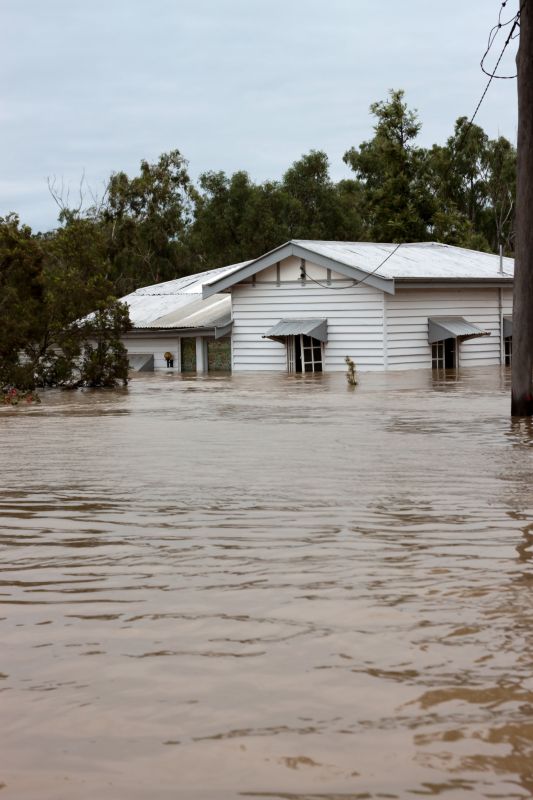
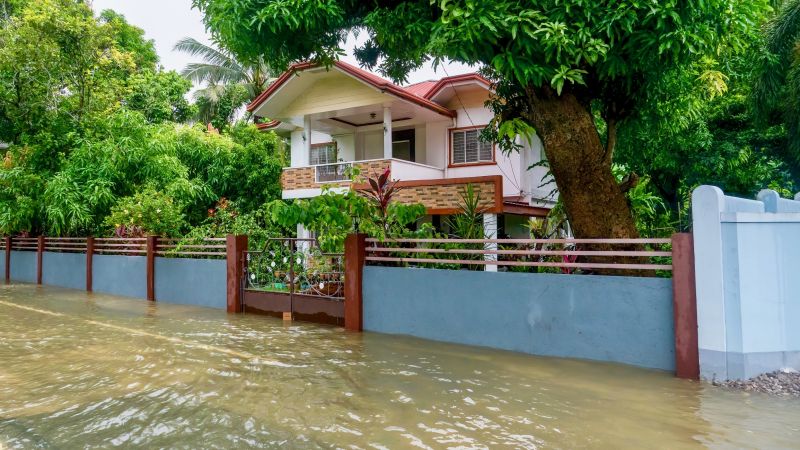
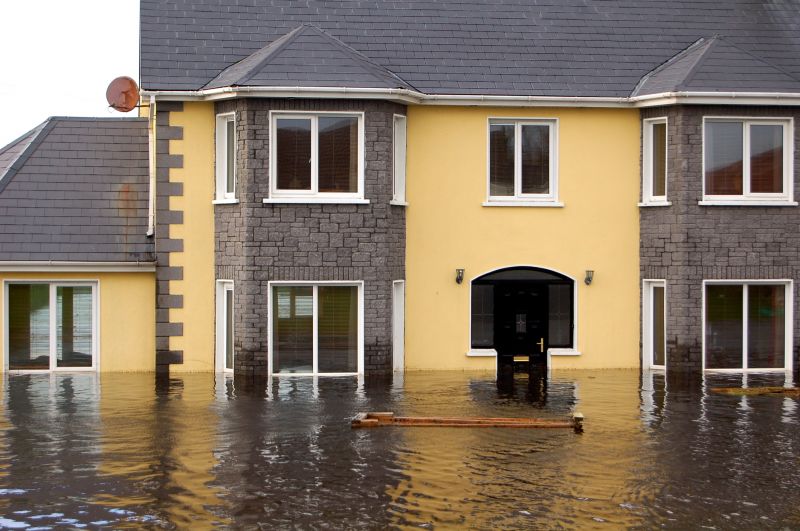
Flood mitigation services involve a range of solutions designed to prevent or reduce the impact of water intrusion during heavy rains, storms, or rising water levels. These services often include installing barriers, such as flood walls or levees, improving drainage systems, and sealing vulnerable areas around a property. The goal is to create a barrier against floodwaters or redirect excess water away from the foundation and interior spaces, helping to protect homes from water damage and the costly repairs that can follow.
These services address common problems faced by homeowners in flood-prone areas, such as basement flooding, foundation erosion, and water seepage through walls or floors. Heavy rainfall or rapid snowmelt can overwhelm existing drainage systems, leading to standing water and moisture issues inside the home. Flood mitigation professionals assess the specific risks of each property and implement tailored solutions to reduce the likelihood of flood damage, providing peace of mind during severe weather events.
Properties that typically benefit from flood mitigation services include homes located near rivers, lakes, or other bodies of water, as well as those in low-lying neighborhoods or areas with poor drainage. Commercial buildings, garages, and basements are also common targets for flood protection measures. Homeowners who have experienced previous flooding or are concerned about potential water intrusion due to local weather patterns often seek out these services to safeguard their property and belongings.
By working with experienced local contractors, homeowners can find effective flood mitigation options suited to their specific needs. These professionals evaluate the property’s vulnerabilities, recommend appropriate barriers or drainage improvements, and install solutions designed to minimize flood risks. Contacting local service providers can help determine the best strategies for protecting a property from floodwaters, ensuring greater resilience during stormy seasons and heavy rainfall events.
The overview below groups typical Flood Mitigation projects into broad ranges so you can see how smaller, mid-sized, and larger jobs often compare in Grand Rapids, MI.
In many markets, a large share of routine jobs stays in the lower and middle ranges, while only a smaller percentage of projects moves into the highest bands when the work is more complex or site conditions are harder than average.
Smaller Repairs - Typical costs for minor flood mitigation tasks, such as sealing cracks or installing sump pumps, range from $250-$600. Many routine jobs fall within this middle range, depending on the scope and materials needed.
Moderate Projects - Mid-sized projects like installing backflow valves or elevating appliances usually cost between $1,000-$3,000. These are common for homes in flood-prone areas and can vary based on property size and complexity.
Major Installations - Larger, more complex flood mitigation solutions such as foundation waterproofing or drainage system upgrades can range from $4,000-$8,000. Fewer projects reach into this higher tier, often depending on property size and existing infrastructure.
Full System Overhaul - Complete flood defense system replacements or extensive waterproofing efforts can exceed $10,000, with some high-end projects reaching $20,000 or more. These are typically reserved for large or heavily vulnerable properties requiring comprehensive solutions.
Actual totals will depend on details like access to the work area, the scope of the project, and the materials selected, so use these as general starting points rather than exact figures.
Stormwater Drainage Projects - local contractors design and install drainage systems to redirect excess water away from properties, similar to flood mitigation efforts.
Retaining Wall Construction - building retaining walls helps control soil erosion and manage water flow, supporting flood prevention strategies.
Soil Stabilization Projects - professionals implement soil stabilization techniques to reduce runoff and improve land resilience against flooding.
Rainwater Harvesting Systems - installation of rainwater collection systems manages stormwater and reduces flooding risk in residential and commercial areas.
Stream and Creek Restoration - restoring natural waterways involves planning and construction skills akin to flood mitigation planning.
Wetland Restoration - enhancing wetland areas helps absorb floodwaters, requiring similar environmental assessment and planning skills.
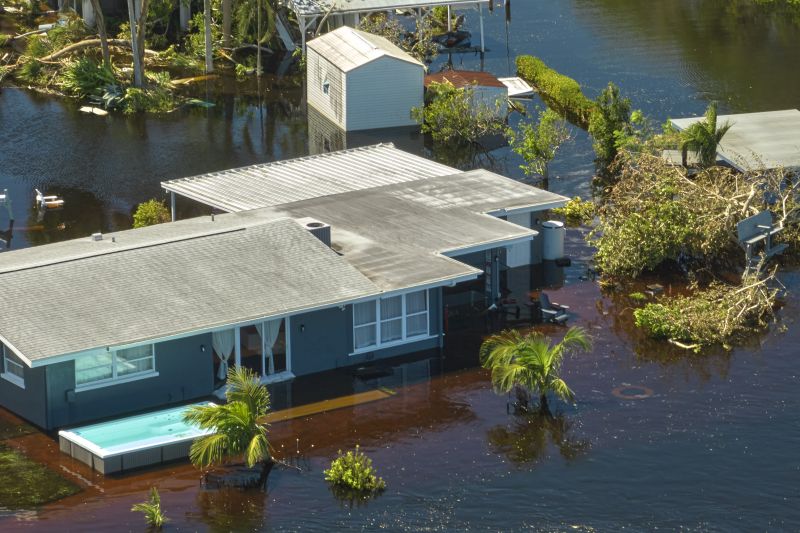
When evaluating flood mitigation service providers in the Grand Rapids area, it’s important to consider their experience with similar projects. Homeowners should inquire about the types of flood prevention measures local contractors have successfully implemented in comparable settings. This can help ensure that the service provider understands the specific challenges faced in the region and has a proven track record of addressing flood risks effectively. Looking into the background of local contractors and their familiarity with local conditions can provide confidence that the chosen professional has relevant expertise.
Clear, written expectations are a vital part of a successful project. Homeowners should seek detailed descriptions of the scope of work, materials to be used, and the responsibilities of each party. Having these details documented helps prevent misunderstandings and ensures that everyone is aligned on the project’s goals. When comparing local service providers, it’s beneficial to review any written proposals or agreements to confirm they clearly outline the work to be performed and the standards to be met, fostering transparency and accountability throughout the process.
Reputable references and good communication are essential factors in selecting a flood mitigation contractor. Homeowners are encouraged to ask for references from previous clients who have had similar flood prevention work completed. Speaking with past customers can provide insights into the contractor’s reliability, quality of work, and professionalism. Additionally, effective communication-such as prompt responses to questions and clarity in explaining options-can make the entire process smoother. Connecting with local service providers who demonstrate these qualities can help ensure that the project proceeds efficiently and meets expectations.
Property owners in Grand Rapids, MI use Flood Mitigation services for practical projects around their homes and businesses. This guide focuses on everyday jobs and straightforward project options.
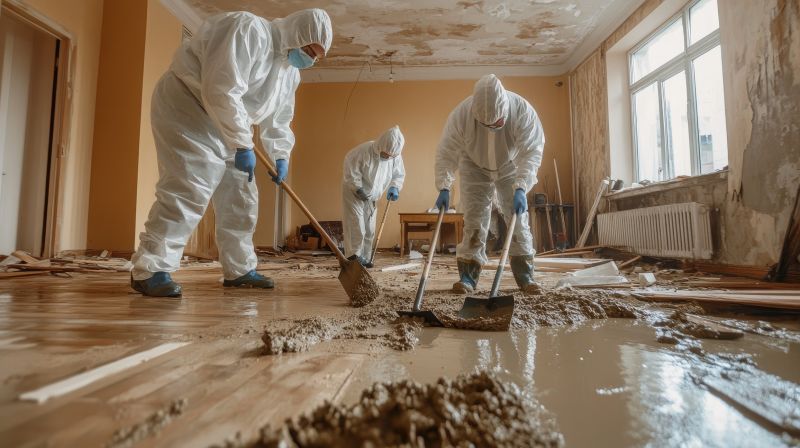
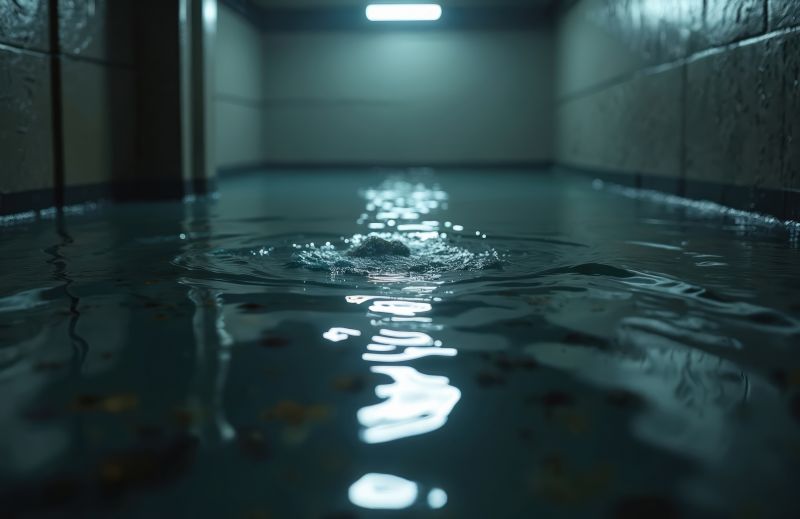
Flood mitigation services are often needed by property owners in Grand Rapids, MI, who have experienced localized flooding or are preparing for heavy rainfalls common in the area. These projects might involve installing barriers, improving drainage systems, or elevating structures to prevent water from entering basements or lower levels. Homeowners and business owners may seek out local contractors to help protect their properties from water damage, especially in neighborhoods prone to poor drainage or during periods of increased rainfall.
In addition, property owners might look for flood mitigation solutions when planning renovations or new construction to ensure their property can withstand potential flooding events. Simple upgrades like sump pump installations or landscape grading can make a significant difference in reducing flood risk. Local service providers can assist with these projects, offering practical solutions tailored to the specific needs of properties in the Grand Rapids area.
What flood mitigation services are available in Grand Rapids? Local contractors offer a variety of flood mitigation solutions, including flood barriers, sump pump installation, drainage system improvements, and landscape grading to help protect properties from water damage.
How can flood barriers help protect my property? Flood barriers create a physical barrier to prevent water from entering your property, providing an effective way to reduce flood risks during heavy rains or rising water levels.
What drainage improvements are common in flood mitigation? Service providers often install or upgrade drainage systems such as French drains, catch basins, and stormwater management solutions to direct excess water away from properties.
Are sump pumps part of flood mitigation services? Yes, sump pump installation and maintenance are common components of flood mitigation efforts, helping to remove accumulated water from basements and crawl spaces.
How do landscape modifications contribute to flood prevention? Local contractors may recommend grading, soil amendments, and strategic landscaping to improve water runoff and reduce the likelihood of flooding around a property.
Drainage System Improvements - Installing or upgrading gutters and downspouts can help direct rainwater away from the foundation during heavy storms.
Flood Barriers and Sandbags - Using temporary barriers or sandbags can protect entryways and basements from rising floodwaters during heavy rainfall.
Sump Pump Installation - Setting up or maintaining sump pumps can reduce basement flooding by actively removing accumulated water.
Landscape Grading Solutions - Adjusting the slope of yard terrain can prevent water from pooling near the property and improve runoff during storms.
If you are thinking about Flood Mitigation for a property in Grand Rapids, MI, this guide is meant to help you understand the work, the typical project types, and how different options might fit your plans.
When you are ready, you can use the quote form on this page to share a few details about your project. From there, local pros can review the basics and respond with options that match what you have in mind.